Wild Atlas Australia
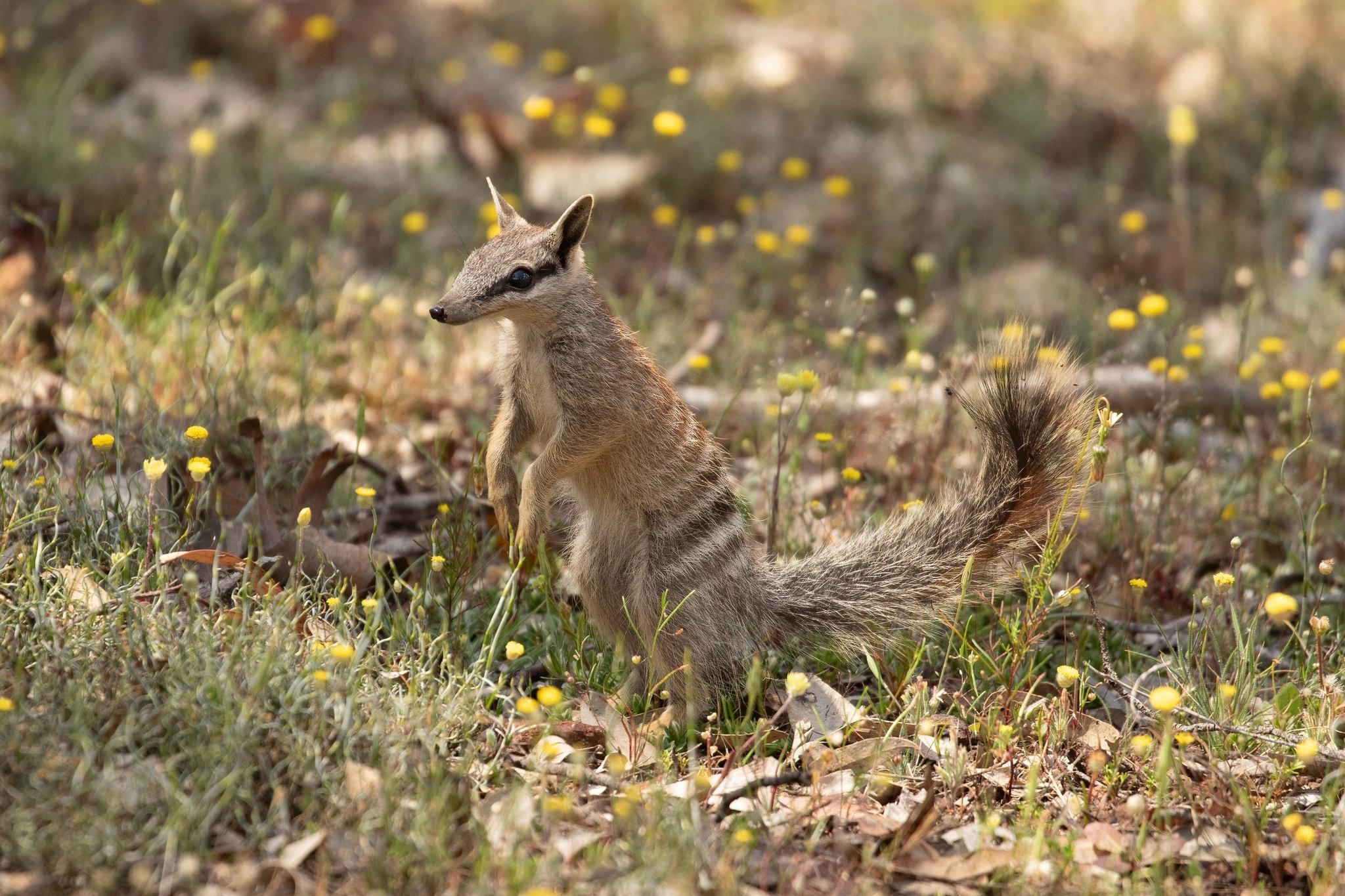
Australia is a big place. Bigger than most people ever get to see properly. There's a lot to enjoy across this wide continent. Yet, for all that space, there's not much out there telling you how to actually see it. Not the postcard shot of a kangaroo, the real stuff. Numbats, Satinash, Death Adders, Mudskippers, Tree Kangaroos, Emu-wrens, Coconut Crabs and even Bicoloured Land Snails. Where to stand, when to show up, what to look for.
Welcome to Wild Atlas. A place set up to help people find and connect with Australia's unique and spectacular wildlife.
Species by species, place by place. Tips from years spent out in the bush; sitting still, getting bitten, getting it wrong, then getting it right. How to find them and how to photograph them properly. What gear's worth carrying and what's dead weight. When to go, and when not to bother.
So go on, get out there.
How To Use This Site
Wild Atlas has been designed to make finding information about Australia's wildlife as simple as possible. Whether you're searching for a particular species, planning a trip, or exploring a new region, there are several ways to browse the site.
Browse by Tag
Looking for a particular species, wildlife location or other topic? Visit the Tags page, where every tag used across Wild Atlas is listed in alphabetical order. Selecting a tag will show you every post that mentions that species, location or subject, making it a quick way to find all related content across the site.
Browse by Wildlife Group
Explore Australia's wildlife by major taxonomic groups, including birds, mammals, reptiles, amphibians, insects, spiders, fish, marine life, plants and fungi.
Browse by Location
Planning a trip? Browse destinations by state, region or national park to discover what wildlife can be found in each area. Whether you're visiting Far North Queensland, Kakadu, the Kimberley or Tasmania, you'll find species accounts, field notes and practical advice specific to each location.
Species Ratings
Every species account includes several ratings to help you understand not only how difficult a species is to find, but also whether it is worth prioritising during your travels. These ratings are based on many years of field experience and are intended as practical guidance rather than strict rules. Wildlife is unpredictable, and local conditions can always influence your chances.
Observability
How difficult is this species to observe in the wild?
1/5 – Very Easy
Common, conspicuous and reliably encountered with little effort. Suitable for beginners, families and casual wildlife watchers.
2/5 – Easy
Usually straightforward to observe if you visit the right locations under suitable conditions.
3/5 – Moderate
Requires patience, good timing and appropriate field techniques. Most dedicated wildlife watchers should eventually succeed.
4/5 – Difficult
Generally uncommon, highly cryptic or naturally difficult to observe. This category also includes groups such as cetaceans, rodents and bats, which can be challenging to encounter reliably despite sometimes being locally common.
5/5 – Extremely Difficult
Among Australia's hardest wildlife to observe. Typically rare, range-restricted, highly elusive, easily disturbed, or requiring considerable time, experience and favourable conditions.
Photography Difficulty
How difficult is it to obtain high-quality photographs of this species?
1/5 – Very Easy
Excellent photographic opportunities are usually available, often allowing high-quality images with relatively little effort.
2/5 – Easy
Good photographs are generally achievable with suitable equipment, favourable conditions and a little patience.
3/5 – Moderate
Photography is regularly possible, but producing consistently high-quality images can be challenging due to behaviour, habitat, lighting or viewing distance.
4/5 – Difficult
Most encounters result in record shots or brief photographic opportunities. Portfolio-quality images require considerable experience, preparation and luck.
5/5 – Exceptional Challenge
High-quality photographs are extremely difficult to obtain. Many species in this category have very few, if any, portfolio-quality images from wild encounters.
Get In Touch
Wild Atlas is all about helping people discover Australia's wildlife. Whether you're looking for tips on finding a particular species, planning an upcoming trip, trying to track something down, or have a question about somewhere you've seen on the site, feel free to send us a message below